
How to Apply for NSFAS in 2026: Step-by-Step Guide
Getting funding for your studies can change your life. For many students in Sterkspruit and across South Africa, NSFAS is one of the main ways to access university or TVET college without the full burden of fees falling on the family. But every year, many students lose out not because they are not eligible, but because they submit incomplete information, use the wrong documents, or wait too long to act.
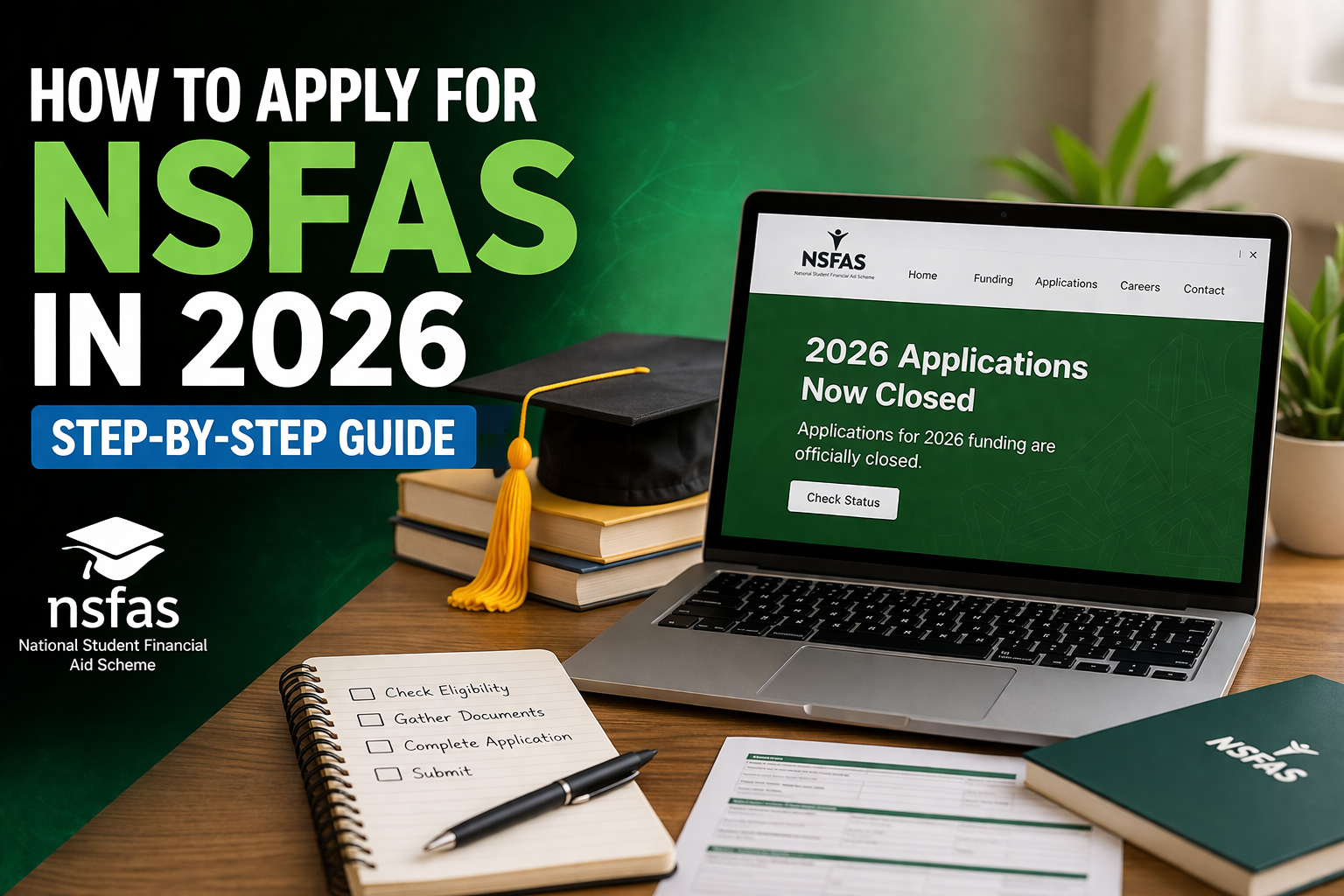
There is one important update to understand first. As of April 2026, NSFAS states that applications for 2026 funding are officially closed. That means this guide should help students understand the process, check whether they would qualify, and prepare properly for the next opening instead of waiting until the last minute.
Who can apply for NSFAS?
Applicants generally need to be South African citizens or permanent residents. Household income usually should not be more than R350,000 per year, and for persons living with disabilities the threshold is higher. Applicants also need an active email address and cell phone number.
That matters because many students assume marks alone decide everything. They do not. Your household income, citizenship status, and ability to complete the process correctly are just as important. Before doing anything else, make sure you actually fit the funding rules.
Why students get rejected or delayed
A lot of students think applying is the hard part. In reality, the harder part is applying correctly. Delays usually happen when details do not match official records, family information is incomplete, or documents are missing.
Another common problem is poor preparation. Some students only start collecting documents when the deadline is already close. That creates panic, mistakes, and rushed submissions. If you want funding, treat the process like a serious project, not like something you will sort out later.
Step 1: Confirm that you are studying at the right kind of institution
NSFAS is mainly focused on eligible students at public universities and TVET colleges. Before worrying about the application itself, make sure your study path aligns with what NSFAS funds.
This is where many students go wrong. They get accepted somewhere first, then only later ask whether that institution or programme is supported. Always check your study plan before relying on funding that may not apply to your situation.
Step 2: Create and protect your myNSFAS account
NSFAS uses its online platform for applications and related actions. That means your email address and phone number matter from the beginning.
Use an email address you actually check. Use a phone number that stays active. Save your password properly. A surprising number of students create accounts, forget their login details, and then struggle when important updates come through.
Step 3: Prepare your supporting documents early
Students may need to download and submit specific forms depending on their situation. These can include consent forms, declaration forms, disability-related forms, or other supporting documents.
This tells you something important: not every student needs the exact same set of papers, but every student must understand which documents apply to their case. Do not wait until the last minute to figure that out.
Step 4: Make sure your information matches official records
This step is not glamorous, but it saves people from unnecessary headaches. Names, surnames, ID numbers, guardian details, and contact details must be accurate and consistent.
When information is inconsistent, your application may be delayed for verification. So before you submit anything, double-check spelling, dates, family details, and contact details. Small mistakes can create big delays.
Step 5: Submit as early as possible when applications open
Even though the 2026 cycle is closed now, the lesson remains the same for the next cycle: apply early. Early applicants have more time to correct errors, respond to requests, and upload anything that may still be outstanding.
Late applications create pressure. Pressure creates mistakes. And mistakes can cost you a full academic year.
Common mistakes students should avoid
- Waiting for other people to tell you when to apply
- Uploading poor-quality or incomplete files
- Assuming one document list fits all students
- Using a phone number or email you no longer control
What students in Sterkspruit should do now
If you missed the 2026 cycle, do not waste energy complaining about time that is already gone. Use this period to prepare for the next opening.
Create a simple checklist:
- Confirm your contact details
- Collect the supporting documents you are likely to need
- Keep certified copies ready where required
- Monitor official announcements
- Ask your school or local support network to help you stay updated
Execution beats stress. Students who prepare early usually look lucky later, but it is not luck. It is preparation.
Final advice
NSFAS can open doors, but only if you treat the application process seriously. Do not act only when others begin posting on WhatsApp that the deadline is tomorrow. By then, you are already behind.
Be organized. Keep your documents ready. Read official instructions carefully. And when the next application cycle opens, move early and submit with confidence.
FAQ
Is NSFAS 2026 still open?
No. The 2026 application cycle is closed, so students should prepare early for the next one.
What are the main income requirements?
Household income generally should not exceed the standard NSFAS threshold, with a higher threshold applying to persons living with disabilities.
Do I need an email and phone number?
Yes. You need both so you can create an account and receive updates.